Crucial Car Repair Advice: Keep Your Vehicle Running Smoothly and Reduce Expenses!
Keeping up a vehicle is crucial for optimal performance and long-term durability. Regular maintenance can prevent costly repairs and guarantee a smooth ride. Basic checks, such as fluid levels and tire pressure, are critical. Nevertheless, many car owners neglect the importance of having the right tools and knowledge for DIY repairs. Recognizing when to address issues yourself and when to seek professional help can make all the difference. What are the best practices to keep a vehicle in top condition?
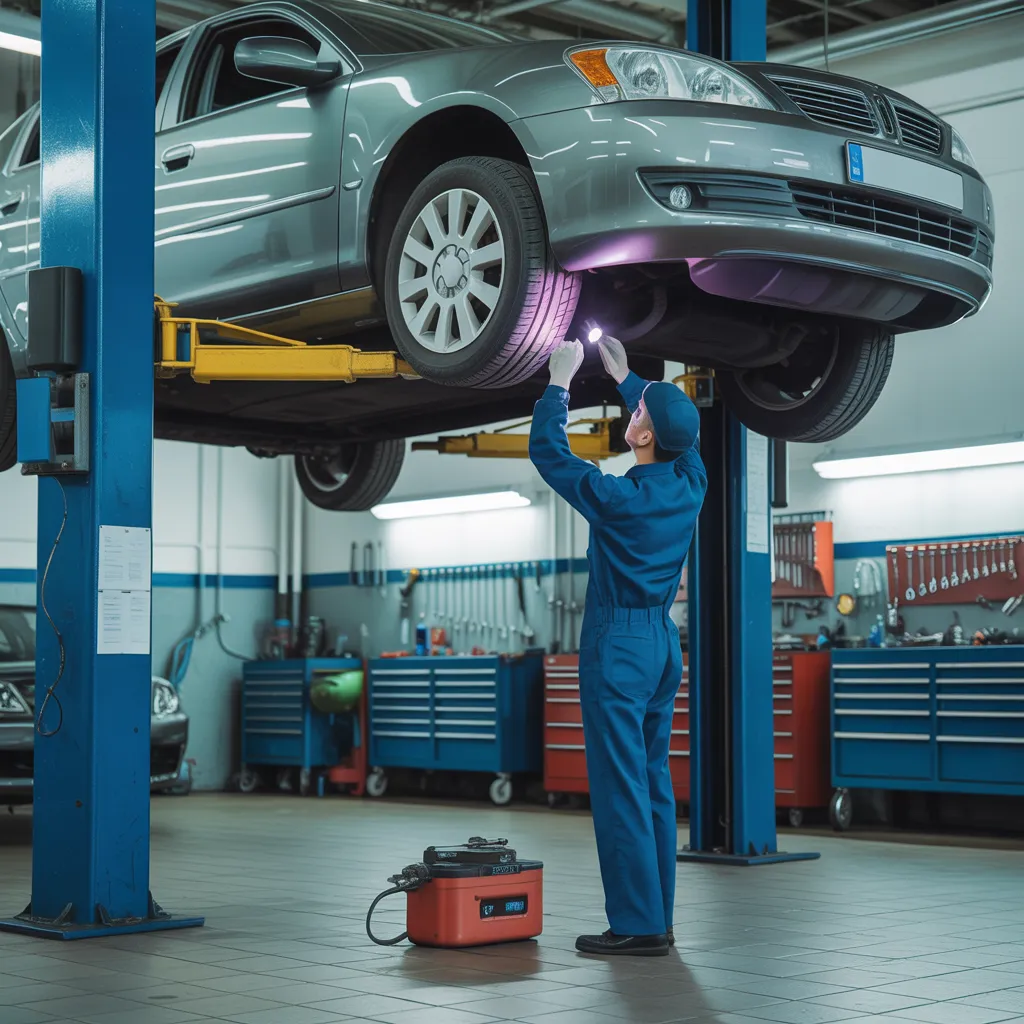
How to Carry Out Routine Maintenance on Your Vehicle
Regarding automotive care, regular routine maintenance is necessary for maintaining top performance and longevity. This process involves checking fluid levels, including oil, coolant, and brake fluid, to prevent overheating and maintain braking efficiency. Tire maintenance is equally critical; owners should routinely inspect tire pressure and tread depth to increase safety and fuel efficiency.
In addition, routine assessments of drive belts and hoses can avert unforeseen breakdowns. Updating the oil and changing filters in line with manufacturer guidelines also helps maintain engine health.
In addition, keeping the vehicle clean, both inside and out, safeguards the paintwork and interior surfaces from damage. Lastly, recording maintenance activities enables monitor the vehicle's condition over time, promoting better decision-making regarding repairs and replacements. By practicing these practices, vehicle owners can greatly lengthen their car's lifespan and enhance its reliability on the road.
Critical Tools Every Vehicle Owner Should Own
Owning the right tools can greatly streamline car maintenance and repairs, enabling vehicle owners to handle minor issues before they intensify. Basic tools include a quality set of wrenches and sockets, which are critical for loosening or tightening various bolts and nuts. A torque wrench is also important for ensuring proper tightness, specifically for essential components.
Furthermore, a well-stocked tool kit should include screwdrivers of multiple sizes, pliers, and a hammer. A jack and jack stands are essential for safely lifting the vehicle during tire changes or undercarriage inspections.
An OBD-II scanner remains crucial for troubleshooting engine concerns, delivering details on trouble codes. Furthermore, maintaining a tire pressure gauge provides optimal tire health. Finally, a basic first aid kit can be a lifesaver in emergencies. Armed with these core tools, car owners can successfully manage routine maintenance and repair jobs, ultimately cutting expenses and prolonging vehicle lifespan.
Basic Vehicle Inspections You Can Do On Your Own
Regular maintenance can greatly extend a vehicle's lifespan, and basic checks are simple to conduct. Inspecting tire pressure and inspecting fluid levels are two crucial tasks every car owner can handle. By staying proactive with these checks, drivers can guarantee their vehicles remain in top shape.
Check Tire Pressure Regularly
Proper tire pressure maintenance is crucial for both safety and efficiency of your vehicle, as underinflated or overinflated tires can lead to poor fuel economy and premature tire degradation. Regularly checking tire pressure is a basic yet highly effective approach to boost efficiency and increase tire lifespan. Motorists should employ a dependable pressure gauge to assess pressure levels when the tires are cold, as driving-generated heat can affect measurements. The recommended pressure levels are typically found on a sticker on the driver's door jamb or within the vehicle manual. It is wise to monitor tire pressure no less than once per month, and before long trips, to maintain proper handling and secure operation. Consistent monitoring can also prevent expensive repairs while enhancing your overall experience behind the wheel.
Monitor Your Fluids Often
After ensuring that tire pressure is at the recommended range, drivers should direct their attention to inspecting fluid levels regularly. Preserving proper fluid levels is essential for the vehicle's overall performance and lifespan. Critical fluids to inspect include engine oil, coolant, brake fluid, transmission fluid, and windshield washer fluid. All of these fulfill a critical function in ensuring the vehicle operates smoothly and safely. Drivers should check their owner's manual for specific levels and recommendations. Regular inspections can help spot leaks or low levels before they lead to more serious issues. By making fluid checks a routine part of vehicle maintenance, drivers can prevent costly repairs and increase their car's reliability on the road.
Troubleshooting Typical Vehicle Problems at Home
In what ways can automobile owners successfully troubleshoot routine issues at home without seeking professional help? To begin, it is essential to get acquainted with the vehicle's owner manual, which frequently features troubleshooting sections for different issues. For instance, if the engine fails to start, checking the battery connections and ensuring the battery is charged is examine this material a solid first step.
Should warning lights show up on your dashboard, look up the exact meaning of that light, as this can indicate various issues. Paying attention to strange noises, such as scraping or squealing, can also offer insights into potential problems.
Moreover, checking the tires for adequate inflation and tread wear can avoid further complications. Regularly checking for leaks under the vehicle can also help detect issues early. By utilizing these methods, car owners can successfully identify and address minor problems, possibly saving money on unnecessary repairs.
Practical Strategies to Prolong Your Vehicle's Lifespan
Prolonging a car's lifespan demands a forward-thinking approach to maintenance and care. Consistent oil changes are critical, as they make certain the engine runs effectively and smoothly. Drivers should also consistently examine and replace air filters, which can improve fuel economy and performance. Moreover, maintaining proper tire pressure and rotating tires regularly can stop uneven wear and prolong tire life.
Other crucial practices include checking fluid levels—such as coolant, brake fluid, and transmission fluid—and substituting them when needed. Keeping your car clean, both on the inside and outside, helps avoid rust and corrosion, most importantly in areas with harsh weather conditions.
Lastly, adhering to the manufacturer's recommended maintenance schedule is vital. This includes inspections for belts, brakes, and battery health. By implementing these practical tips, vehicle owners can substantially prolong the lifespan of their automobiles while improving reliability and performance.
When to Call in the Pros for Repairs?
Recognizing when to seek professional support for auto repairs is vital for maintaining vehicle safety and performance. Indicators such as engine warning lights, unusual sounds, or vibrations, and complex electrical issues often signal that a mechanic's expertise is needed. Addressing these concerns promptly can prevent further damage and costly repairs in the long run.
Recognizing when to pursue professional help for auto repairs is crucial for preserving vehicle safety and performance. Indicators such as engine warning lights, unusual acoustic disturbances, or vibrations, and complex electrical issues often signal that a mechanic's expertise is needed. Handling these concerns promptly can prevent further damage and costly repairs in the long run.
Knowing when to seek professional help for auto repairs is vital for upholding vehicle safety and performance. Indicators like engine warning lights, unusual noises, or vibrations, and complex electrical malfunctions often indicate that a mechanic's expertise is needed. Handling these concerns promptly can prevent further damage and costly repairs in the long run.
Recognizing when to seek professional support for auto repairs is crucial for preserving vehicle safety and performance. Signs like engine warning lights, unusual noises, or vibrations, and complex electrical malfunctions often suggest that a mechanic's expertise is necessary. Tackling these concerns promptly can stop further damage and costly repairs in the long run.
Knowing when to obtain professional help for auto repairs is crucial for upholding vehicle safety and performance. Signs including engine warning lights, unusual noises, or vibrations, and complex electrical problems often indicate that a mechanic's expertise is necessary. Handling these concerns promptly can prevent further damage and high-cost repairs in the long run.
Understanding when to pursue professional support for auto repairs is crucial for preserving vehicle safety and performance. Warning signals such as engine warning lights, unusual noises, or vibrations, and complex electrical malfunctions often signal that a mechanic's expertise is needed. Tackling these concerns quickly can stop further damage and expensive repairs over time.
Understanding when to pursue professional help for auto repairs is essential for upholding vehicle protection and performance. Signs such as engine warning lights, unusual noises, or vibrations, and complex electrical problems often suggest that a mechanic's expertise is necessary. Tackling these concerns immediately can prevent further damage and costly repairs in the long run.
Understanding when to obtain professional help for auto repairs is crucial for maintaining vehicle safety and performance. Signs such as engine warning lights, unusual acoustic disturbances, or vibrations, and complex electrical malfunctions often suggest that a mechanic's expertise is required. Tackling these concerns quickly can stop further damage and costly repairs over time.
Engine Caution Lights
When should a driver seek professional assistance for engine warning lights? Drivers should consult a mechanic as soon as an engine warning light illuminates on their dashboard. Neglecting these signals can bring about more severe problems, including engine damage or lowered fuel efficiency. It is essential to distinguish between warning lights; for example, the check engine light can signal different issues, from minor to serious. If the light comes with abnormal behavior, such as stalling or overheating, prompt professional assessment is required. Furthermore, if the light stays on after conducting basic troubleshooting, such as inspecting the gas cap, it is recommended to pursue expert assistance. Prompt intervention can save money and ensure the vehicle operates smoothly.
Unusual Noises or Vibrations
What steps should a driver follow upon detecting unusual noises or sensing vibrations while operating a vehicle? The first step is to remain calm and assess the situation. If the noises or vibrations don't cease, the driver should securely pull over and turn the engine off. Close listening can aid in identifying the source—whether grinding, rattling, or humming sounds. Such signs frequently suggest possible problems with the engine, brakes, or suspension system. Ignoring them can lead to more severe problems and costly repairs. When the driver is unclear about the source, consulting a qualified mechanic is advisable. Early intervention can stop further harm and boost vehicle safety, providing a more comfortable driving experience.
Advanced Electrical Issues
How can a driver determine if their vehicle's electrical issues are beyond their expertise? When dealing with recurring electrical malfunctions, including flashing lights, malfunctioning sensors, or a battery that keeps failing after being replaced, it may be time to obtain expert assistance. If the driver experiences warning lights on the dashboard or struggles to start the automobile, these signs indicate complex issues that typically need specialized diagnostic tools. Moreover, if troubleshooting efforts—including examining fuses or electrical connections—cannot remedy the difficulties, it is wise to contact an experienced technician. Complex electrical systems in vehicles can be intricate and necessitate technical proficiency to stop making the situation worse, maintaining vehicle safety and performance.
Budget-Friendly Auto Fix Suggestions
Several car owners seek budget-friendly auto repair tips to preserve their vehicles without stretching their budgets. One proven strategy entails performing regular maintenance, such as oil changes and tire rotations, which can avert significant repairs in the long run. Car owners should also become acquainted with their vehicles' manuals to comprehend recommended service intervals and procedures.
Furthermore, sourcing parts from reputable aftermarket suppliers can bring about notable savings versus dealership prices. Pursuing DIY repairs for minor issues, for example replacing air filters or wiper blades, can also lower labor costs. Car owners might consider joining nearby car clubs or online forums, where recommendations and shared experiences can offer valuable insights and potential discounts on parts and services.
Last but not least, consistently monitoring tire pressure and fluid levels can enhance fuel efficiency and extend vehicle life, making these basic practices an essential part of budget-friendly vehicle maintenance.
Frequently Asked Questions
How Often Do I Need to Change My Oil Filter?
An oil filter should typically be changed every 3,000-5,000 miles, depending on the vehicle and oil type used. Regular maintenance guarantees maximum engine performance and longevity, preventing contaminants from impacting the oil system.
What Type of Fuel Is Best for My Vehicle?
The optimal fuel type for a vehicle depends on its manufacturer specifications. Typically, regular unleaded gasoline is sufficient for many models, while premium fuel may improve performance in high-performance vehicles, providing peak engine efficiency and longevity.
How to Determine if Your Tires Need Replacing
To identify when tires need changing, check for tread wear indicators, visible cracks, bulges, or uneven wear. Moreover, a depth gauge can evaluate tread depth; under 2/32 inches typically indicates replacement is needed.
What Are the Warning Signs of a Failing Battery?
Indicators of a weak battery include challenges starting the vehicle, fading headlights, corrosion on battery terminals, a distended case, and recurring electrical issues. Periodic testing and inspection can help detect these symptoms early to stop breakdowns.
Can I Wash My Car During Winter?
Yes, washing a car during winter is possible and beneficial. It assists in removing salt and grime that can cause corrosion. Nevertheless, one should guarantee the temperature permits proper drying to stop freezing.